
Gauteng: South Africa’s Historic and Economic Powerhouse
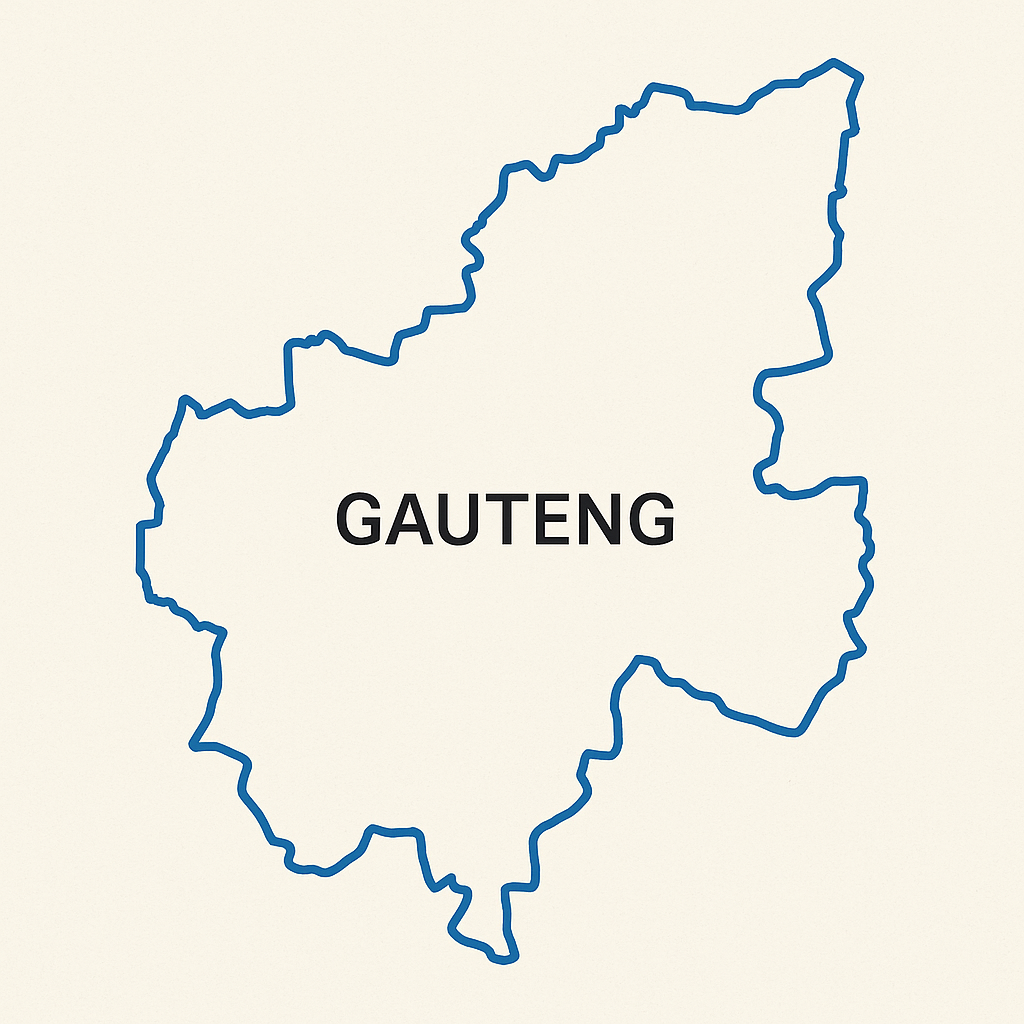
Though it’s the smallest province geographically, Gauteng stands tall as one of South Africa’s most vital regions. Its name—derived from the Sesotho word for “Place of Gold”—reflects its rich mining heritage. Located on the Highveld plateau, Gauteng is home to influential cities such as Johannesburg and Pretoria. Today, it plays a central role in the country’s economy and has been instrumental in shaping South Africa’s path to democracy and modern development.
Gauteng – facts and data
1. Gauteng: Name and Historical Origins
The name Gauteng is derived from the Sesotho word gauta, meaning “gold,” a fitting tribute to the province’s long-standing connection to the gold mining industry. This name reflects the region’s pivotal role in South Africa’s economic history, especially following the discovery of gold on the Witwatersrand in 1886—a moment that reshaped the nation’s economic landscape.
2. Indigenous Heritage and Pre-Colonial Importance
Before the arrival of European settlers, the Gauteng area was inhabited by indigenous communities, including the Bakwena and other Tswana-speaking peoples. The region’s significance extends far beyond its colonial past. Notably, the nearby Cradle of Humankind, a UNESCO World Heritage Site, contains fossil evidence of early human ancestors, underscoring Gauteng’s vital role in the story of human evolution.
3. The Gold Rush and Its Lasting Impact
The 1886 gold discovery sparked a transformative gold rush that gave rise to Johannesburg—a small mining camp that would soon become South Africa’s largest city. The influx of fortune-seekers from around the globe rapidly turned Gauteng into an economic powerhouse. This era set the stage for the province’s ongoing leadership in industry, finance, and innovation.
4. Resistance and Resilience During Apartheid
Gauteng stood at the heart of South Africa’s anti-apartheid movement. Townships like Soweto became epicenters of resistance, where ordinary citizens took extraordinary risks in the fight for freedom. The 1976 Soweto Uprising, led by students protesting against enforced Afrikaans education, marked a turning point in the liberation struggle. From this fertile ground for activism emerged global icons like Nelson Mandela and Desmond Tutu, whose leadership helped steer the nation toward justice and democracy.
5. From Oppression to Opportunity: The Birth of a Province
The dawn of democracy in 1994 marked a new chapter for South Africa and the formation of Gauteng as an official province. Previously known as the Pretoria-Witwatersrand-Vereeniging (PWV) region, it transformed into a unified province reflecting the country’s new identity. Rapid urbanization followed, symbolizing not just physical growth but also South Africa’s broader shift toward inclusivity and diversity.
6. Gauteng: South Africa’s Economic Powerhouse
Despite its small geographical footprint, Gauteng drives nearly a third of the country’s GDP, making it the economic engine of South Africa. The province is home to the Johannesburg Stock Exchange (JSE)—Africa’s leading financial market—and hosts major industries ranging from banking and telecommunications to manufacturing and logistics. Much like a beating heart circulates life through a body, Gauteng channels economic activity across the nation.
7. A Hub of Knowledge and Cultural Heritage
Gauteng also serves as a center of learning and cultural richness. Renowned institutions such as the University of Pretoria, University of the Witwatersrand (Wits), and University of Johannesburg fuel academic excellence and innovation. Culturally, the province offers a compelling narrative through sites like the Apartheid Museum, Constitution Hill, and the lively arts scene in Maboneng and Newtown. These spaces don’t just preserve history—they invite dialogue and celebrate the evolving identity of South Africa.
8. Modern Infrastructure and Seamless Connectivity
Gauteng boasts some of the most advanced infrastructure on the continent. A standout example is the Gautrain, a world-class high-speed rail system linking major hubs such as Johannesburg, Pretoria, and O.R. Tambo International Airport. This efficient transport network greatly improves mobility for both daily commuters and international travelers, reinforcing Gauteng’s position as a gateway to the rest of South Africa and beyond.
9. Population Growth and Urban Diversity
As the most populous province in South Africa, Gauteng is home to over 15 million people. Its cities—particularly Johannesburg and Pretoria—continue to expand, drawing people from across the country and continent. This influx has shaped a vibrant, multicultural society that defines Gauteng’s urban identity and fuels its cultural and economic dynamism.
10. Nature and Outdoor Escapes
Despite its urban character, Gauteng also offers access to remarkable natural landscapes. The Magaliesberg mountains, rich in geological and cultural heritage, and the Vaal River, a popular spot for water activities, provide residents and tourists with opportunities to relax and explore the outdoors. These natural assets contribute to the province’s ecological variety and quality of life.
Conclusion
Gauteng embodies the spirit of South Africa’s transformation—rising from its gold rush origins to become the country’s leading economic and cultural force. Its history reflects resilience, innovation, and growth, while its present continues to shape the nation’s direction. As Gauteng moves forward, it remains a vital part of South Africa’s story, bridging a rich past with boundless future possibilities.